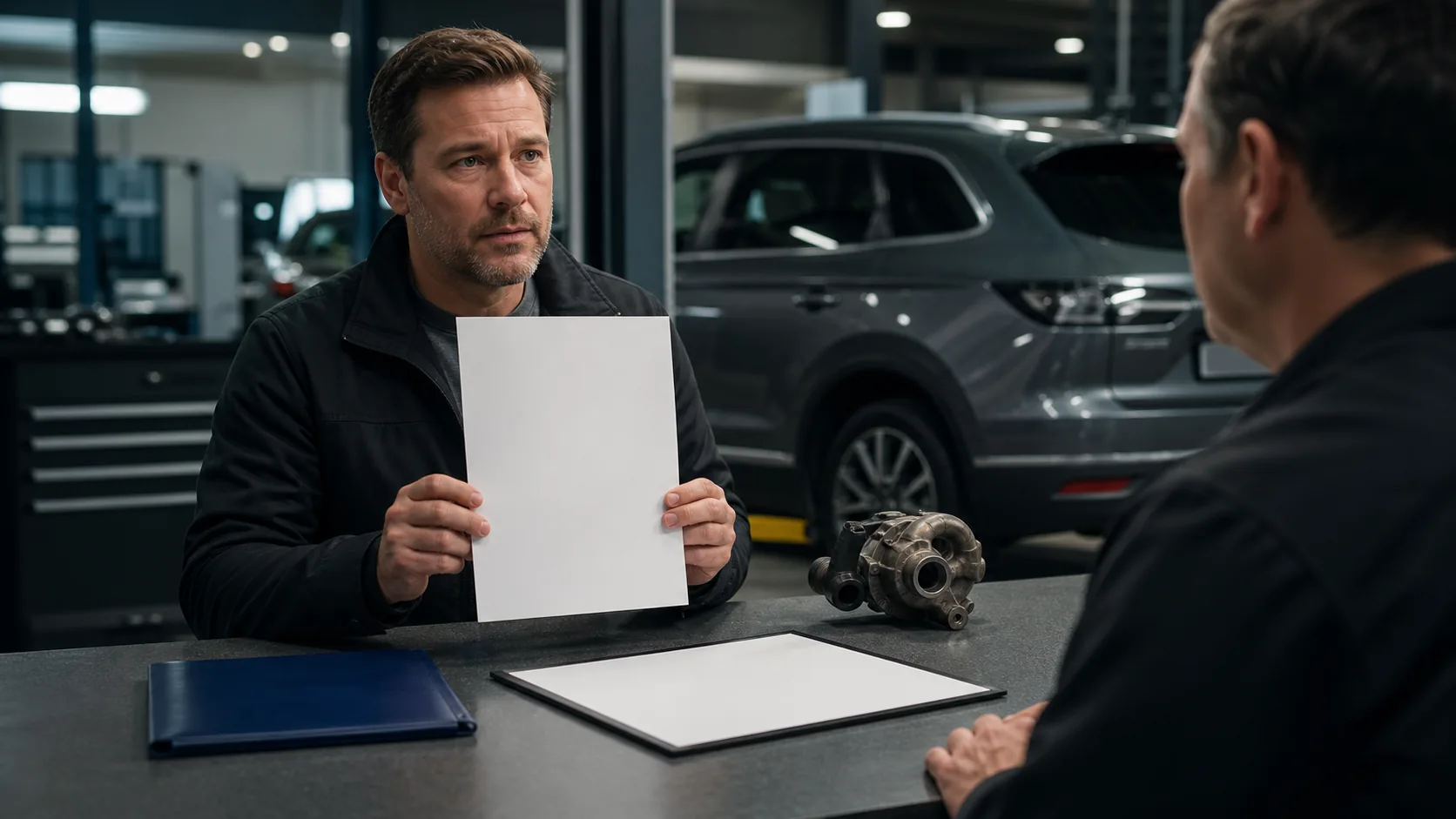
Short answer: ask the administrator for a written denial naming the exact contract clause and evidence. Obtain the inspection report and the repair facility’s diagnosis, compare both with the contract, organize maintenance and claim records, then follow the agreement’s appeal or dispute process.
This is general information, not legal advice. Rights and deadlines depend on the signed contract and applicable state law.
Get the denial and basis in writing
Record the claim number, date, representative, and words used. Request the written decision, the section and paragraph relied on, and the factual evidence supporting the exclusion. If an inspection occurred, ask for the report and photographs. Separate a true coverage denial from a request for more records or a limit on part, labor, or benefit amount.
Compare the contract, diagnosis, and evidence
- Find the covered-part language and the cited exclusion.
- Read definitions for breakdown, wear, prior condition, maintenance, overheating, and continued operation.
- Ask the technician to state the failed part and cause in writing.
- Compare the technician’s findings with the administrator’s inspection.
- Collect maintenance records, warning-light history, photos, estimates, and prior authorizations.
If the dispute concerns a cause such as overheating or an uncovered part, a precise failure sequence matters. Do not ask the technician to advocate beyond the evidence; ask for a clear, signed technical explanation.
Prepare a focused appeal
Follow the address, format, and deadline in the contract. Identify the claim and vehicle, quote the relevant clauses, explain why the evidence supports coverage, and attach copies in a labeled order. Ask for a written response. Keep proof of delivery and a log of every contact.
If the contract identifies another obligor, reimbursement company, insurer, or dispute-resolution process, determine when that path becomes available. California’s Department of Insurance publishes a detailed state-specific example of asking for exact clauses, inspection evidence, and a written appeal; consumers elsewhere should check their own regulator and law.
When the internal process does not resolve it
The FTC suggests contacting the dealer and service contract company first, then your state attorney general or the FTC if the problem remains. Depending on the product and state, an insurance or service-contract regulator may also have jurisdiction. A qualified attorney can advise on legal rights, deadlines, and remedies.
For future claims, use the claim sequence and review common exclusions before repairs start.
Frequently asked questions
Should I authorize repairs while appealing?
First ask how repair timing, storage, teardown, reassembly, and preservation of failed parts affect the appeal. Get the shop’s costs and the administrator’s position in writing before deciding.
Can missing maintenance records cause a denial?
They can affect a claim when the contract requires maintenance and proof. Reconstruct records from shops, digital accounts, parts receipts, and payment statements where possible.
Conclusion
A denied claim is easier to evaluate when the reason is specific and documented. Build a clause-to-evidence file, use the contract appeal path, and seek state-specific help when needed.
Sources
- FTC: Auto Warranties and Auto Service Contracts
- California Department of Insurance: Vehicle Service Contract Guide (California-specific process)